
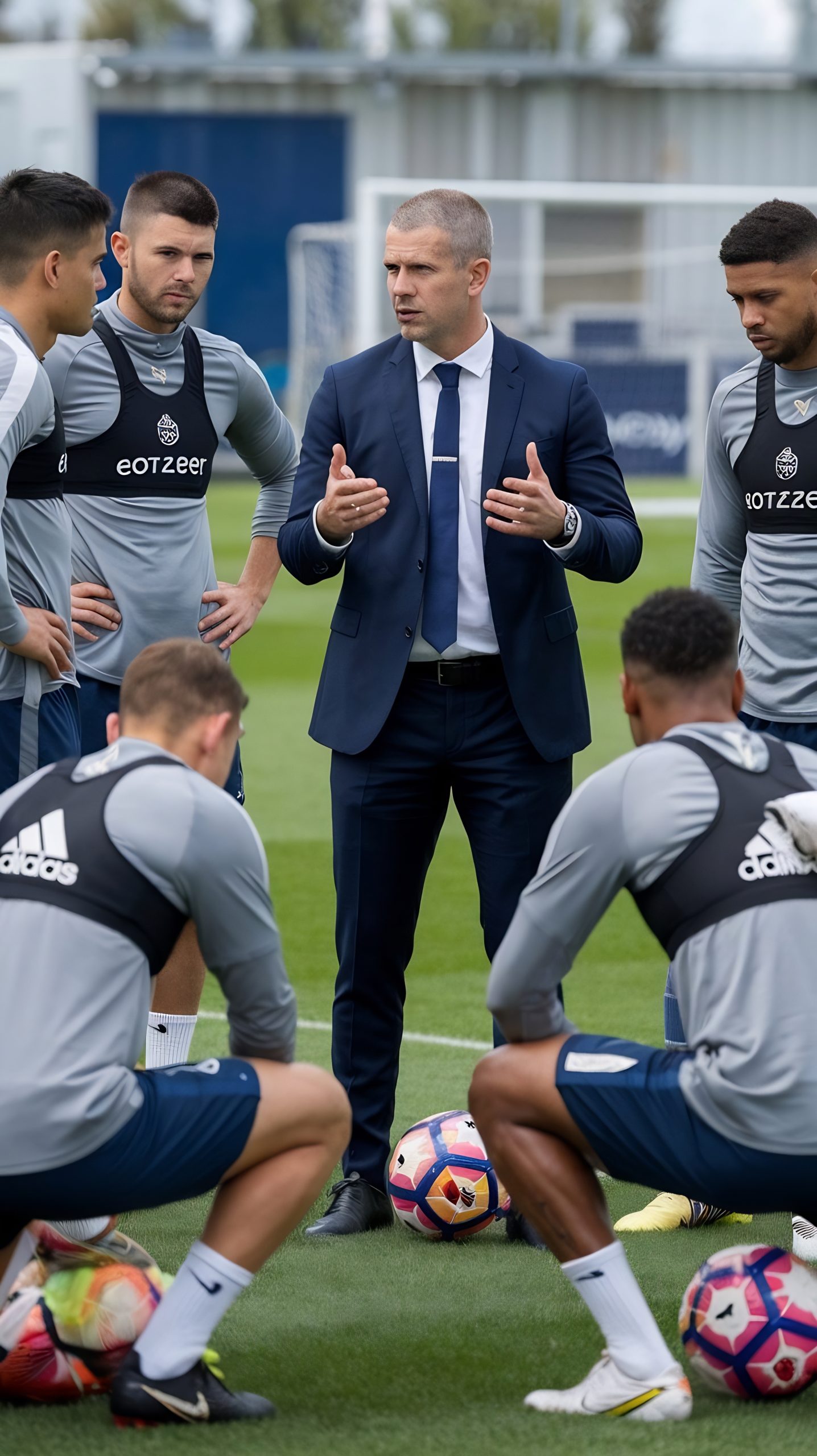
Liverpool’s summer has barely had time to settle, yet the club’s next major decision is already moving from speculation to process. With the post-season review concluded and the coaching search accelerating, Liverpool is expected to open formal talks with Andoni Iraola, the outgoing Bournemouth boss who has quickly become the leading name in the frame. It is the kind of pivot that signals urgency, not just to steady the ship, but to redefine how the Reds want to play and how quickly they want to get there.
The timing says plenty. Liverpool dismissed Arne Slot after only a year in charge, a stunning turn given that his tenure included a Premier League title. The club, however, has shown it is willing to separate achievements from direction. Decision-makers at Fenway Sports Group, with Michael Edwards back in a senior executive role and sporting director Richard Hughes central to planning, appear convinced that the next cycle needs a more aggressive, front-foot approach, with sharper tempo and clearer attacking intent.
Why Iraola has risen to the top
Iraola’s appeal is not difficult to map. Bournemouth’s season under him was their best to date, finishing sixth and securing Europa League football. That achievement alone would have turned heads, but the more compelling detail is how it was done: with a proactive style, an emphasis on intensity, and a willingness to meet bigger clubs in the middle of the pitch rather than sitting in a low block and hoping for scraps.
At 43, Iraola fits the modern profile that elite clubs increasingly favour: detailed on the training ground, committed to a coherent tactical identity, and comfortable improving players who are not already global stars. His background includes spells at Mirandés and Rayo Vallecano, plus an early start abroad in Cyprus, before Bournemouth leaped in 2023. He also arrives with strong credibility as a former Athletic Bilbao player, someone shaped by a club culture that values organisation and collective intensity.
Importantly for Liverpool, there is a built-in familiarity in the relationship network. Hughes worked at Bournemouth and was involved at the club when Iraola was appointed, a link that could streamline discussions and provide Liverpool with a clearer read on what Iraola is like behind closed doors, beyond the touchline persona.
A ruthless reset after a strange season
Even by the standards of a top-six club, Liverpool’s year was a riddle. They finished fifth yet still secured Champions League football. Their points total, though, was sobering, and the gap to the champions was significant. The sense around the club is that the underlying performance level did not match the scale of investment, with Liverpool having spent heavily last summer in a bid to sustain their position at the top end of the league.
That spending matters when judging the decision to move on from Slot. When a club commits that much money, it typically expects not only results but a playing style that feels repeatable and scalable. Liverpool’s hierarchy, by the reporting, believes a shift toward a more urgent and aggressive model is required, and Iraola has built his reputation on exactly those principles.
There is also the practical element: Liverpool wants a successor in place quickly. In today’s football economy, a manager appointment shapes everything from pre-season periodization to transfer targets, from the press trigger to the profile of the No. 6. Leave it late and you risk a September that feels like a continuation of July’s uncertainty.
What Iraola-ball could look like at Anfield
If Liverpool do move to Iraola, supporters should expect a team that tries to win the ball higher and earlier, a side comfortable turning matches into repeated sprints rather than slow chess. That may sound familiar at Anfield, but the details can differ. Iraola’s sides have tended to compress space quickly, push fullbacks with purpose, and rely on coordinated pressure rather than isolated bursts.
It would also raise questions about roles: which midfielders can cover ground relentlessly, which centre-backs can defend space behind them, and which forwards are best suited to lead a press when the opponent’s first pass is the trigger. In a league where travel, fixture density, and winter conditions can punish teams that play at high tempo without depth, squad management becomes a competitive advantage, not a luxury.
For Iraola personally, the next step would be enormous. He has also been linked with other clubs, but Liverpool is a different order of pressure and expectation. At Anfield, the “project” is never theoretical; it is judged week to week, and it is judged loudly.
Formal talks, if they proceed as expected, will now determine whether Liverpool’s desire for a sharper, more aggressive identity aligns with Iraola’s demands, his staff requirements, and his view of how quickly a team can be reshaped. The club wants momentum. Iraola offers a clear idea. The coming days will decide whether the two meet at the same point.
Excited about the latest developments in the world of football? Put your knowledge to the test and place your bets on upcoming matches at Cazzy Games!